

Categories
Structural Audits Structural Engineering

Cost vs. Safety: How Structural Audits Save Money in the Long Run

Blog

Cost vs. Safety: How Structural Audits Save Money in the Long Run
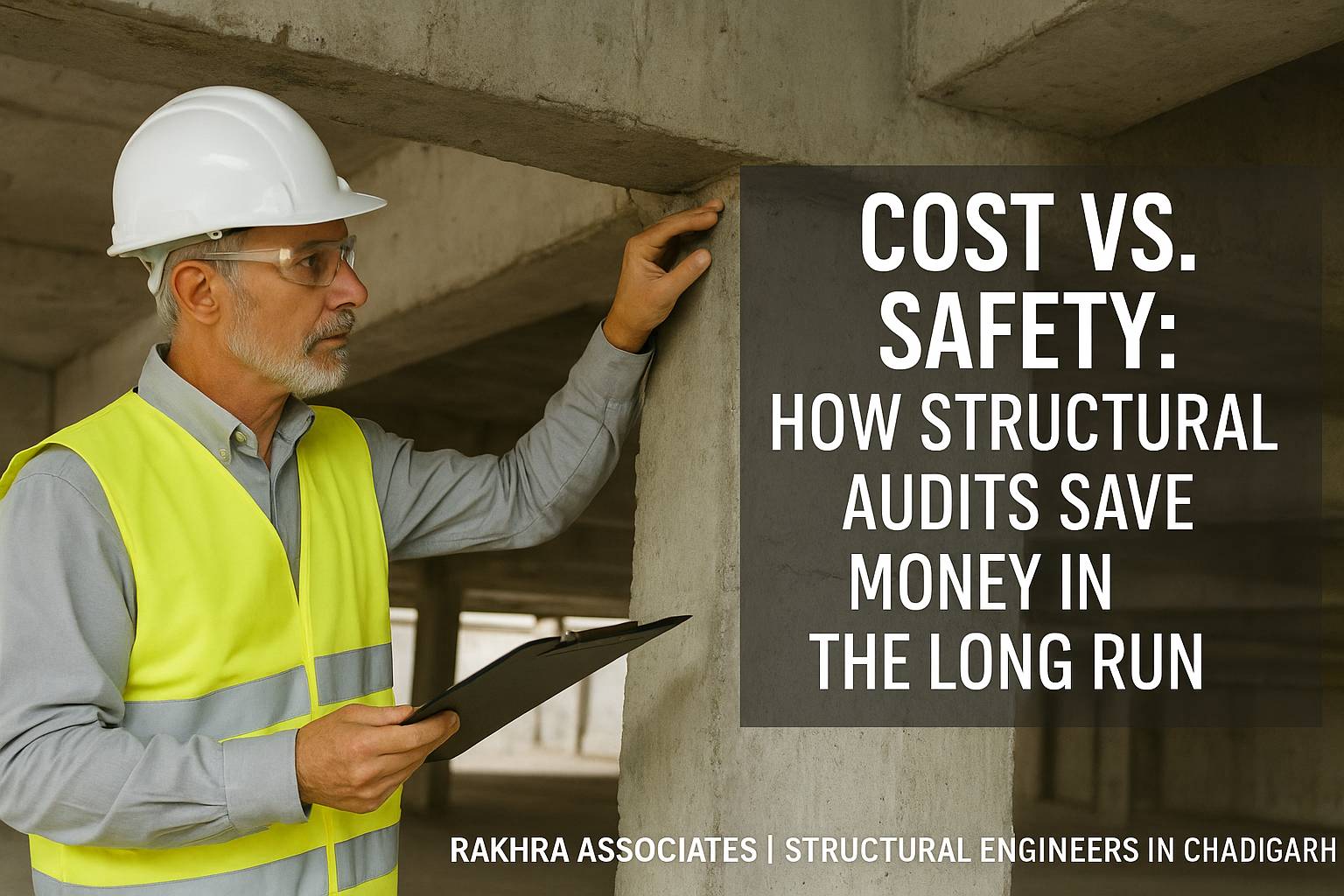

Structural Audits - Cost & Safety

Introduction to Structural Audits

In today’s fast-paced construction world, where deadlines and budgets dominate discussions, structural safety often becomes an afterthought. Yet, the real cost of ignoring it can be catastrophic. A structural audit acts as a preventive health check-up for buildings—detecting early signs of distress, corrosion, or design flaws that could otherwise lead to expensive repairs or, worse, structural collapse.

Rakhra Associates, one of the most trusted names in structural engineering in Chandigarh, emphasizes that investing in timely audits isn’t an expense—it’s an insurance policy for safety, compliance, and financial stability.

The Relationship Between Cost and Safety in Construction

Every project faces the classic dilemma: Should we spend more now for safety or save today and risk tomorrow?

While initial cost-cutting may seem smart, it often leads to higher maintenance and rehabilitation expenses down the line.

A structural audit bridges this gap by ensuring that safety standards are not compromised for short-term savings. It helps stakeholders make data-driven decisions—optimizing resources without gambling with the building’s life expectancy.

The True Cost of Neglecting Safety

Let’s face it—structural failures are not just accidents; they’re warnings ignored. Across India, several high-profile building collapses have occurred due to lack of routine inspection, poor detailing, or unverified modifications.

Consequences of Ignoring Structural Audits:

  • High repair costs due to corrosion and material degradation
  • Loss of property value and investor confidence
  • Legal liabilities from non-compliance with municipal safety norms
  • Risk to human life from sudden structural failures

A routine structural audit, which costs only a fraction of major repairs, can save millions in the long run.

What is a Structural Audit?

A structural audit is a detailed assessment of a building’s stability, strength, and safety. Conducted by qualified engineers, it identifies defects, deterioration, and potential hazards in the structural system.

Key Stages Include:

  1. Visual Inspection – Checking cracks, deflections, rusting, and dampness.
  2. Non-Destructive Testing (NDT) – Using ultrasonic pulse velocity and rebound hammer tests to assess concrete health.
  3. Load Analysis & Design Verification – Comparing actual conditions with design assumptions.
  4. Recommendations – Suggesting repair methods, retrofitting, or strengthening measures.

At Rakhra Associates, audits follow a systematic process aligning with the Indian Standard IS 456:2000 and IS 15988:2013 for concrete structures.

When Should You Conduct a Structural Audit?

Ideally, structural audits should be performed:

  • Every 5 years for buildings under 15 years old.
  • Every 3 years for older structures or those in seismic zones (like Chandigarh, Zone IV).

After renovations, heavy load additions, or natural events like earthquakes or floods.

By identifying early warning signs, audits help building owners plan repairs efficiently before small defects turn into costly crises.

How Structural Audits Save Money

  1. Preventive Maintenance Over Reactive Repairs
    Early detection allows for low-cost fixes instead of expensive overhauls later.

  2. Extended Lifespan of Structures
    With proper audit-based maintenance, structures can serve decades longer.

  3. Reduced Downtime and Liability Costs
    Audited buildings face fewer shutdowns and legal issues, ensuring steady revenue.

  4. Better Asset Valuation
    Certified safety and durability enhance property market value and investor trust.

As Rakhra Associates highlights, a single audit can help avoid repair bills worth 10–20 times its cost.

Common Structural Issues Detected in Audits

  • Concrete spalling and rusting of rebars
  • Foundation settlement and wall cracking
  • Overloaded slabs and beams
  • Poor waterproofing leading to corrosion
  • Structural damage from alterations without design validation

By identifying these early, structural engineers prevent major failures and financial strain.

Role of Structural Engineers in Auditing

Structural engineers bring technical expertise and analytical precision to every audit. They don’t just identify visible issues—they assess load paths, design adequacy, and material strength.

At Rakhra Associates, engineers use advanced tools like Revit, AutoCAD, and Staad.Pro for analysis, ensuring comprehensive documentation and clear visual reporting for clients.

Case Study: How Rakhra Associates Helped a Chandigarh Housing Complex Save Millions

A prominent residential complex in Chandigarh recently engaged Rakhra Associates for a structural audit after noticing cracks in several beams. The audit revealed corrosion due to water seepage—caught before any structural weakening occurred.
The cost of repairs? Less than ₹2 lakhs.
The potential cost of failure? Over ₹40 lakhs in damages and resident relocation.
A clear example of how proactive audits save both lives and money.

Legal Importance and Compliance

Municipal corporations in major Indian cities now mandate structural audits for buildings above 15 years of age. Failure to comply can lead to hefty penalties or demolition notices.

Audits also ensure compliance with:

  • National Building Code (NBC) of India
  • IS 456:2000 (Concrete Structures)
  • IS 15988:2013 (Retrofitting of Structures)

Technological Innovations in Structural Auditing

Modern auditing tools are redefining accuracy and speed. Engineers today use:

  • Drones for facade inspection
  • Thermal imaging for moisture detection
  • AI-based predictive analytics to forecast deterioration
  • BIM (Building Information Modeling) for 3D visualization and report integration

Rakhra Associates integrates these technologies to deliver smarter, faster, and more reliable structural audit solutions.

How Much Does a Structural Audit Cost?

Audit costs depend on building size, type, and condition. However, as a benchmark:

  • Small residential buildings: ₹20,000–₹50,000
  • Commercial complexes: ₹1–₹5 lakh
  • Industrial or heritage structures: ₹5 lakh and above

Compared to the cost of reconstruction or failure, audits are an incredibly affordable investment.

FAQs on Structural Audits

Q1. What is the purpose of a structural audit?
To assess a building’s structural health, safety, and durability, ensuring it remains safe for occupancy.

Q2. Who can conduct a structural audit?
Only licensed structural engineers or firms like Rakhra Associates certified under relevant IS codes.

Q3. How often should audits be done?
Every 3–5 years, depending on the building’s age and exposure to environmental factors.

Q4. Are structural audits mandatory in Chandigarh?
Yes. Municipal bylaws and housing authorities recommend audits for buildings over 15 years old.

Q5. What happens if a building fails an audit?
The engineer provides recommendations for strengthening or retrofitting the structure to restore safety.

Q6. Can structural audits reduce insurance premiums?
Yes, many insurance companies offer lower premiums for certified safe buildings.

Conclusion

Balancing cost and safety isn’t about choosing one over the other—it’s about smart planning. A structural audit ensures your building remains strong, compliant, and financially efficient.

With the expertise of Rakhra Associates – Structural Engineers in Chandigarh, property owners gain peace of mind knowing that every structure they oversee stands the test of time—safely, efficiently, and economically.
Categories
Structural Audits Structural Engineering

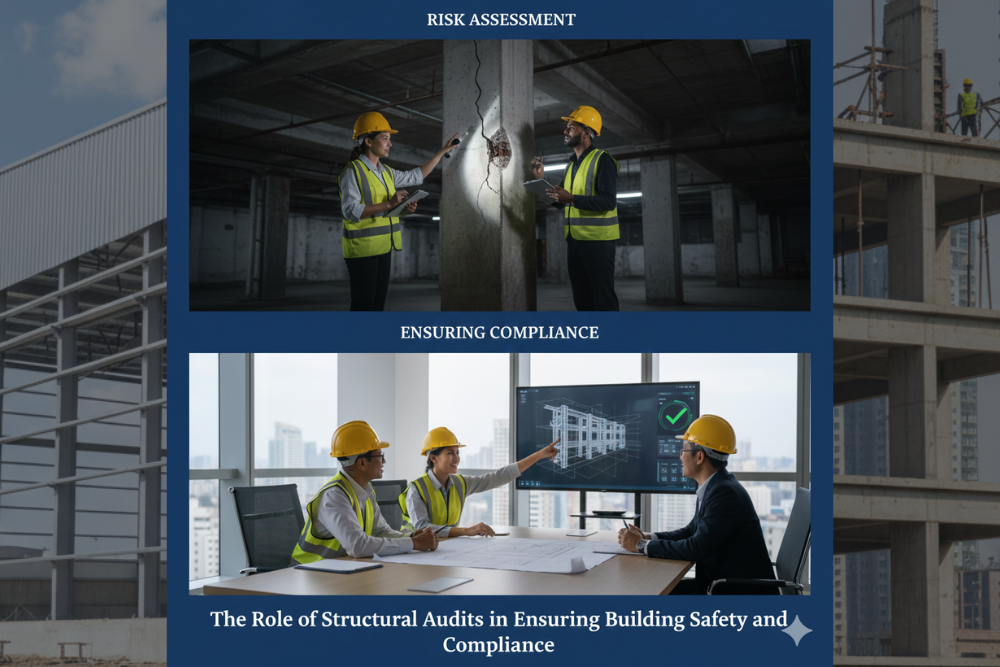
The Role of Structural Audits in Ensuring Building Safety and Compliance

Blog

The Role of Structural Audits in Ensuring Building Safety and Compliance


Role of Structural Audits in Ensuring Building Safety and Compliance

Introduction

As cities expand and buildings age, the importance of structural safety has never been more critical. Every year, India witnesses dozens of tragic structural failures—many of which could have been prevented with timely intervention.

That’s where structural audits come in. They are not just a legal necessity in many cases, but also a responsible and proactive measure for the safety of occupants and the longevity of the structure.

At Rakhra Associates, a trusted name among structural engineers in Chandigarh, Mohali, and Punjab, we specialize in comprehensive structural audits for residential, commercial, industrial, and institutional buildings. In this blog, we break down what a structural audit is, why it matters, when it is required, and how it benefits all stakeholders.

What Is a Structural Audit?

A structural audit is a systematic inspection and evaluation of a building’s structural system—columns, beams, slabs, foundations, walls, and connections—to assess its safety, health, and stability.

It involves:

  • Visual inspection

  • Non-destructive testing (NDT)

  • Load and stress analysis

  • Structural drawings review

  • Reporting with actionable recommendations

It is typically conducted by certified structural engineers or consultants who are registered with professional bodies like COA or IEI.

Why Are Structural Audits Important?

✅ 1. Ensures Safety of Occupants

The primary goal is to ensure that the building is structurally sound and safe for living, working, or industrial activities. This is especially important for old buildings (15+ years), structures near construction zones, and those showing signs of distress.

✅ 2. Prevents Unexpected Collapses

Many buildings that collapse show warning signs—cracks, rusted reinforcements, water seepage, sagging slabs—that go unnoticed until it’s too late. A structural audit helps identify and fix these before disaster strikes.

✅ 3. Complies with Local Government Laws

In many Indian states including Maharashtra and Delhi, structural audits are mandatory for buildings over 30 years old. Municipal bodies like MC Chandigarh, GMADA, and others are increasingly moving towards similar regulations.

✅ 4. Saves Cost in the Long Run

Timely identification of structural weaknesses allows for early repairs, preventing expensive reconstruction or litigation due to accidents.

✅ 5. Essential for Building Renovation, Sale, or Insurance

Structural audit reports are often required when:

  • Renovating or modifying a building

  • Selling older properties

  • Applying for building insurance or claiming damage

When Should a Structural Audit Be Conducted?

  • Building is 15–30 years or older

  • Visible cracks, seepage, corrosion, or deformations

  • After natural disasters like earthquakes or floods

  • Nearby heavy construction or excavation activities

  • Before major retrofits or change in usage

  • For compliance with municipal bylaws

At Rakhra Associates, we recommend audits every 5–10 years depending on the building type and condition.

What Does a Structural Audit Cover?

A structural audit includes the following:

🔍 1. Visual Inspection

  • Wall cracks (horizontal/vertical/diagonal)

  • Water seepage or dampness

  • Corroded steel bars

  • Deflected beams or sagging slabs

  • Plaster peeling or disintegration

🧪 2. Non-Destructive Testing (NDT)

  • Rebound Hammer Test: Assesses surface strength of concrete

  • Ultrasonic Pulse Velocity Test (UPV): Checks internal flaws

  • Cover Meter Test: Measures concrete cover over steel

  • Half Cell Potential Test: Detects corrosion potential in rebars

  • Core Cutting Test: For compressive strength testing (partially destructive)

📐 3. Structural Design Review

  • Cross-checking original architectural and structural drawings

  • Verifying if construction followed approved designs

  • Analyzing if current loads/stresses exceed design capacity

📄 4. Final Report and Recommendations

  • Grading of structural health (Safe / Requires Repair / Unsafe)

  • Suggested actions: minor repairs, retrofitting, or demolition

  • Estimated repair costs and timelines

  • Safety certification (if applicable)

Structural Audits in Chandigarh, Mohali & Punjab – Local Guidelines

While Chandigarh MC and Punjab Mandi Board do not yet have mandatory structural audit rules for all buildings, they do require stability certificates from structural engineers for:

  • Building Plan Approvals

  • Completion Certificates

  • Occupancy Certificates (OC)

  • Redevelopment Projects

Hence, a detailed structural audit can help owners obtain these certificates smoothly.

Who Should Conduct Structural Audits?

Only qualified structural engineers, preferably with experience in similar types of buildings, should be hired.

Look for:

  • Degree in Civil/Structural Engineering

  • Membership with IEI/COA or equivalent

  • Proven portfolio of past audits

  • Experience with IS codes (IS 456, IS 1893, IS 875, etc.)

Rakhra Associates, based in Chandigarh, is registered and experienced in handling audits for:

  • Commercial complexes

  • Housing societies

  • Industrial sheds

  • Hospitals and educational buildings

  • Government infrastructure projects

Benefits to Different Stakeholders

Stakeholder Benefit from Structural Audit
Building Owner Prevent costly damages and ensure safety
Residents Feel secure and protected
Architects Get reliable data for retrofits
Builders Avoid liability and construction delays
Municipal Bodies Enforce safety without legal gaps
Insurance Firms Assess risk accurately

Structural Audit vs Stability Certificate: What’s the Difference?

Structural Audit Stability Certificate
Detailed inspection, testing, analysis Declaration by engineer on safety of structure
In-depth report (20–50+ pages) 1–2 page formal certificate
Helps identify issues Used for compliance or building permissions
Usually precedes or accompanies the certificate Issued based on audit findings

How Rakhra Associates Conducts Structural Audits

Our proven 6-step audit process ensures accuracy and transparency:

  1. Initial site visit and client briefing

  2. Visual inspection and data collection

  3. Non-destructive tests by certified technicians

  4. Review of drawings and load analysis

  5. Detailed report generation with photographic evidence

  6. Optional: Supervision of repairs/retrofitting

Case Study: Structural Audit of a 25-Year-Old Commercial Building in Mohali

Problem: Cracks in beams and water seepage in basement

Findings:

  • Corroded rebars and honeycombing in several columns

  • Inadequate concrete cover

  • Structural weakening due to added load on rooftop without approval

Solution:

  • Partial retrofitting with carbon fiber wrap

  • Epoxy injection grouting

  • Drainage correction to eliminate seepage

  • Structural stability certificate issued post-repair

Outcome: Building declared safe; insurance approved.

Final Thoughts

Structural audits are no longer a “nice to have”—they are a must-have in today’s construction and maintenance ecosystem. Whether it’s to ensure compliance, protect lives, or plan future renovations, audits deliver peace of mind and real-world savings.